

Beyond the Patent Cliff: How Biosimilars from Companies Like Icon Life Sciences Are Democratizing Cancer Care
Let’s clarify something important: biosimilars are not “generic” biologics. The term “generic” applies to simple chemical compounds. Biologics—and their biosimilar counterparts—are complex proteins manufactured in living cells. Creating a biosimilar is like reverse-engineering a cathedral. The result must be structurally and functionally identical to the original, with no clinically meaningful differences in safety or efficacy.
Icon Life Sciences specializes in this meticulous work of recreation. Their portfolio includes critical cancer therapies like bevacizumab for colorectal and lung cancers, rituximab for blood cancers, and trastuzumab for HER2-positive breast cancer—the very drug Sarah needed. Each represents not just scientific achievement but a tangible reduction in the financial toxicity that so often accompanies a cancer diagnosis.
The Hyderabad Connection: Where Compassion Meets Science
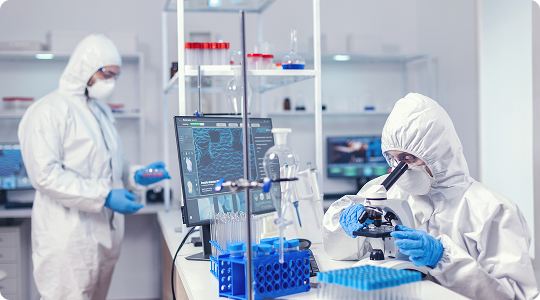
At the heart of this accessibility mission lies a facility in Hyderabad, India—Icon’s manufacturing center. Here, scientists and technicians don’t just see protein cultures in bioreactors; they see the potential to reunite families. Every vial that meets their stringent quality controls represents a father who might see his daughter graduate, a grandmother who might meet her grandchildren, a young professional who might continue building a life.
This human connection fuels their commitment to what they call “quality without compromise”—maintaining standards identical to those of the original innovators while dramatically reducing costs through manufacturing excellence and operational efficiency. It’s this dual commitment that allows biosimilars to typically cost 20-40% less than their originator counterparts, savings that echo through healthcare systems and family budgets alike.
Beyond Price: The Ripple Effect of Accessibility
The impact of accessible biosimilars extends far beyond individual patient stories:
- Healthcare System Sustainability: By reducing drug expenditures, hospitals and national health systems can redirect funds to diagnostic equipment, palliative care, or nursing staff—creating a rising tide that lifts all healthcare boats.
- Increased Treatment Adherence: Financial strain is a leading cause of treatment abandonment. Affordable options mean patients complete their prescribed regimens, improving outcomes and reducing downstream complications.
- Expanding Global Reach: With products in over 30 countries, Icon Life Sciences exemplifies how specialized companies can navigate complex regulatory landscapes to bring therapies to previously underserved regions.
- Driving Further Innovation: The competitive pressure from biosimilars encourages originator companies to pursue truly novel therapies rather than extending minor modifications on existing drugs—accelerating meaningful medical progress.
- The People Behind the Progress
What makes Icon’s approach particularly compelling is their team’s perspective. Many of their scientists and executives have witnessed firsthand the heartbreaking gap between medical possibility and patient reality in emerging markets. This isn’t abstract corporate strategy for them; it’s personal mission. When they speak about “democratizing cancer care,” they’re describing evenings spent with spreadsheets, figuring out how to shave another percentage point off production costs—not for shareholder returns, but for patients like Sarah.
Their work embodies a simple but revolutionary principle: the value of a medicine is zero if the patient who needs it cannot access it.
A Future Within Reach
Sarah’s story, thankfully, found a different ending. Through a patient assistance program made possible by biosimilar affordability, she received the trastuzumab she needed. Two years later, she’s in remission, back at work, and watching her children grow up.
Companies like Icon Life Sciences represent more than a business model; they represent a moral choice within the healthcare ecosystem. They prove that the end of a patent doesn’t have to mean merely the beginning of corporate competition—it can mean the beginning of hope for millions who previously had none.
The patent cliff isn’t an economic event; it’s an opportunity for humanity to catch up with its own ingenuity. Through the dedicated work of biosimilar developers who never lose sight of the human beings behind every data point, we’re finally beginning to seize that opportunity—one vial, one treatment, one life at a time.
For healthcare professionals and policymakers interested in learning more about biosimilar accessibility initiatives or partnership opportunities with mission-aligned organizations, additional resources and clinical data are available through responsible industry channels.
0 comments